

 Русский
 Latvija
 English
Do you want to purchase Gaahleri airbrushes, compressors, or Kaleido Colorworks paints? Now you can pre-order all of...
SIA Scale Star Registration number: 44103140795 VAT LV44103140795 LV SEPA identifieri: LV23ZZZ44103140795 Registered address: Rīga, Mazā Krūmu iela 18 - 23, LV-1069 Phone +371 27219799 e-mail info@scalestar.eu 




Most View Product
Most View Product

Meng Model 1:35 German...
€17.00

- -€5.00
Meng Model TS046 1:35...
€45.00
Regular price
€50.00

- -€5.00
MiniArt 35380 U.S. ARMY...
€44.55
Regular price
€49.55
Latest News
-
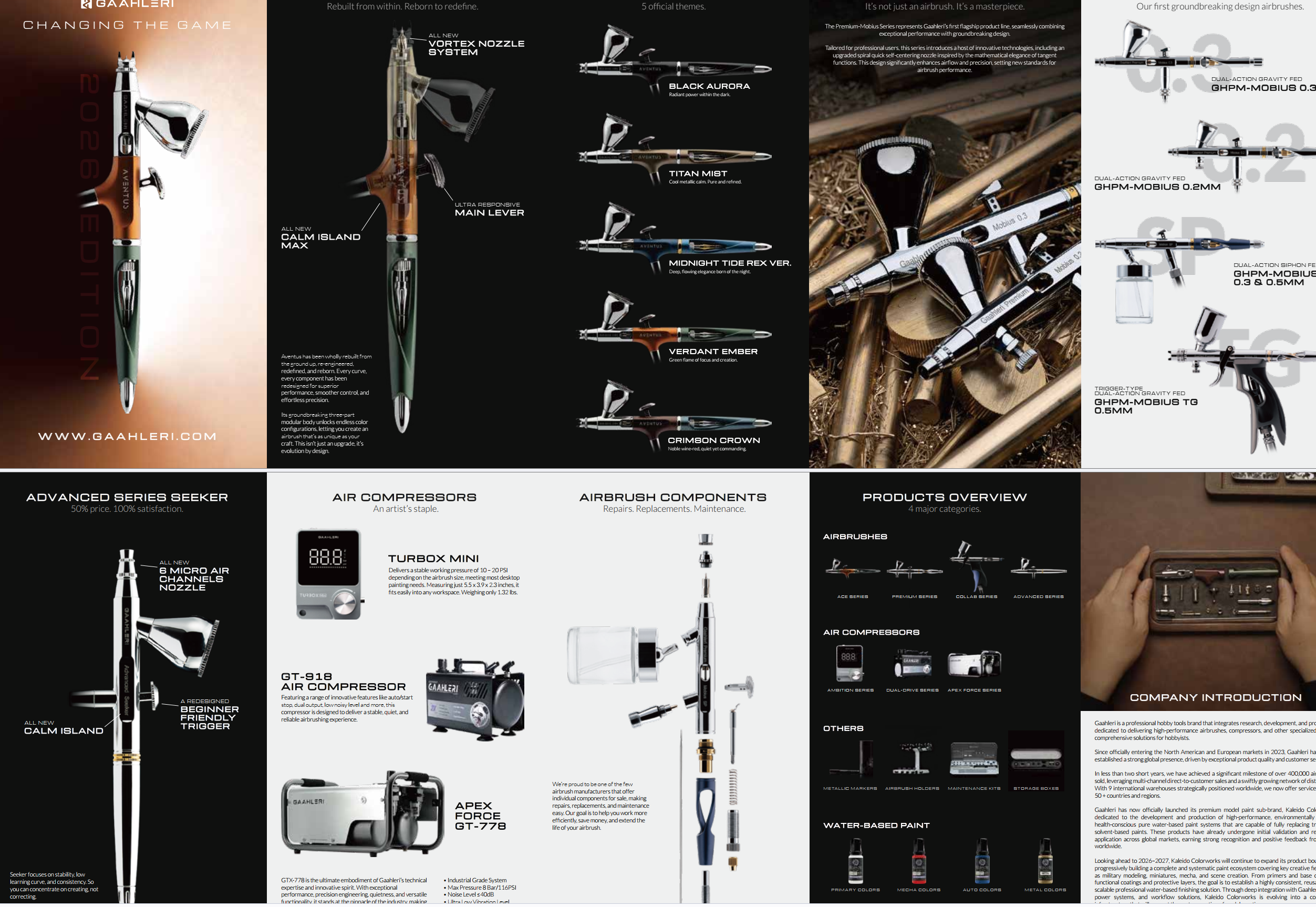 GAAHLERI & KALEIDO — available for pre-order with us!Read more
 -
 Fast and secure payments for your convenienceRead more
In cooperation with *Swedbank Latvia*, our online store scalestar.eu has integrated modern payment methods. Now you...
-
 Overview of WMC Models products, Paper Models section.Read more
Our website features products from the manufacturer WMC Models. Link to the YouTube channel where you can learn more...
-
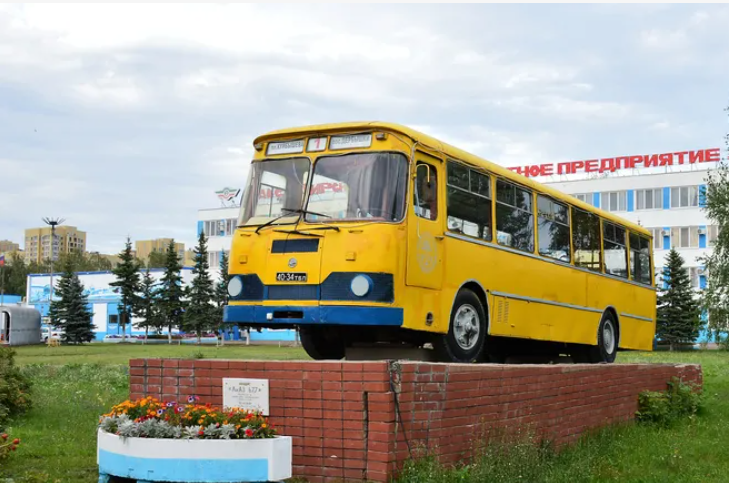 LiAZ-677: The History of the Beloved Soviet BusRead more
Some affectionately called it the "moon rover" for its characteristically soft suspension on air bellows, while for...
-
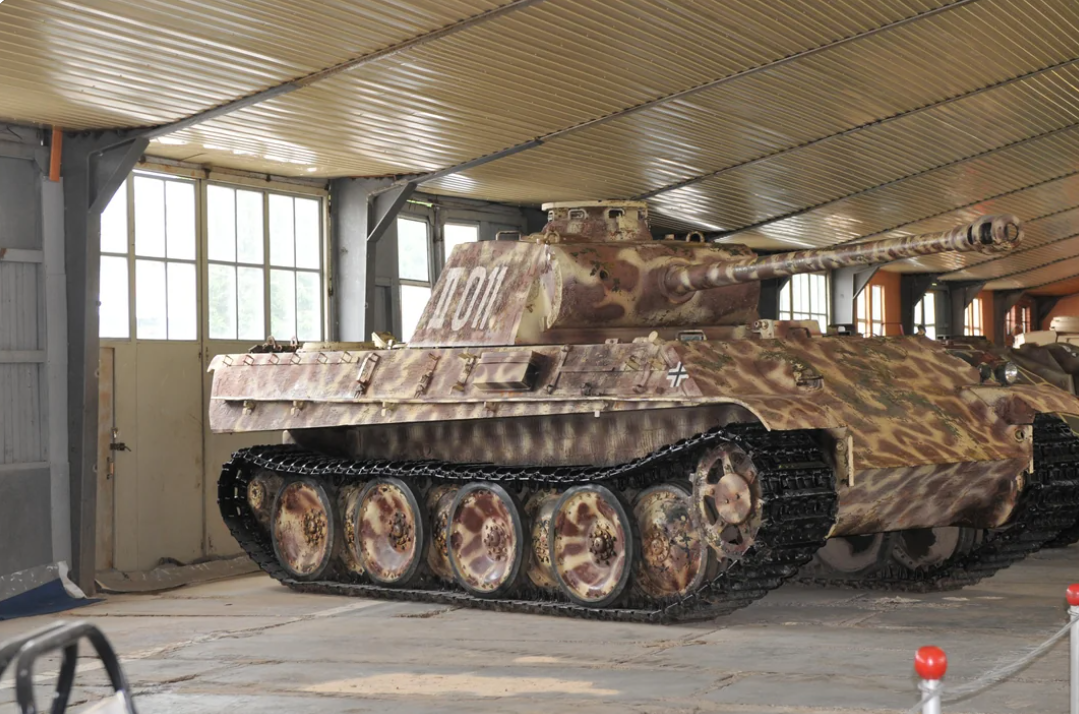 Panther Ausf.A Early – A WWII Legend in ScaleRead more
The Panther was Germany’s most important medium tank of World War II, designed in response to the Soviet T‑34...
-
 Tools needed for assembling scale modelsRead more
Building scale models is an engaging and creative hobby that requires a specific set of tools to achieve the best...
Blog categories
Search in blog
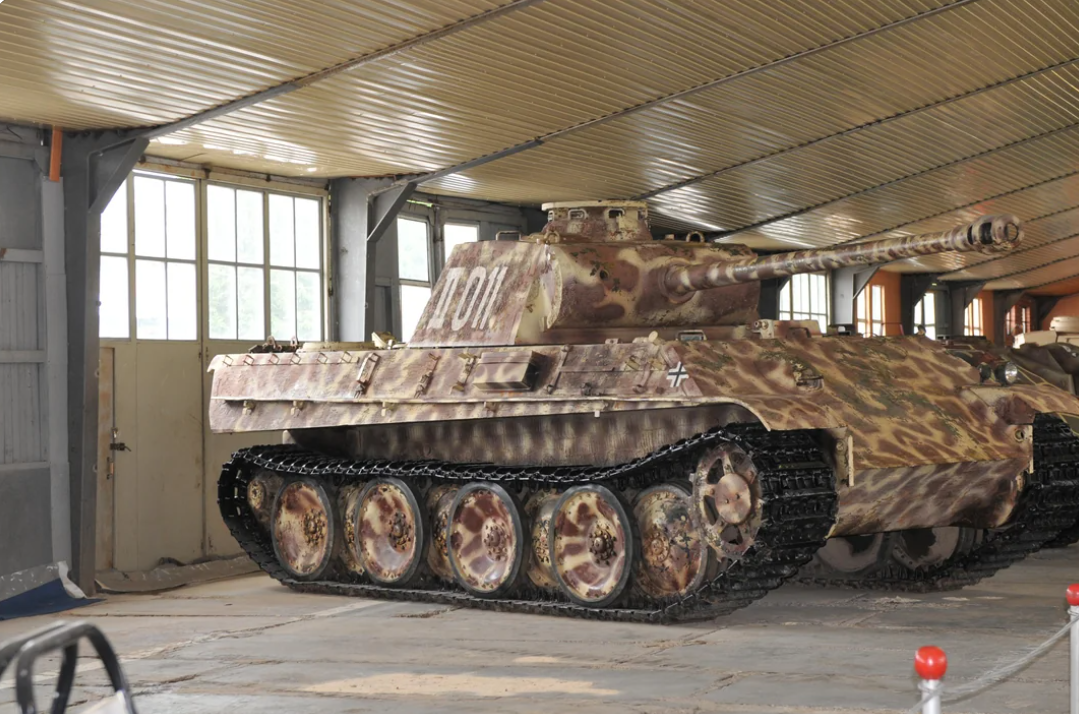
Panther Ausf.A Early – A WWII Legend in Scale
Origins of the Panther
The Panther (Panzerkampfwagen V, Sd.Kfz.171) was born out of Germany’s shock during Operation Barbarossa (1941), when the Wehrmacht first encountered the Soviet T‑34 and KV‑1 tanks. These vehicles outclassed the Panzer III and IV in armor protection, firepower, and mobility. In response, the German Army ordered a new medium tank project in late 1941, leading to two competing prototypes:
VK 30.01 (Daimler-Benz) – heavily inspired by the T‑34’s design.
VK 30.02 (MAN) – a more conventional German approach, but with sloped armor.
The MAN design was ultimately chosen in 1942, becoming the basis for the Panther
Early Development and Prototypes
Prototype Phase (1942): The first prototypes were completed in late 1942. These were essentially testbeds for the new 75 mm KwK 42 L/70 gun, torsion bar suspension, and sloped armor layout.
Ausf.D (January 1943): The first production series was designated Ausf.D, not Ausf.A, which often confuses enthusiasts. Around 842 units were built. Early Panthers suffered from mechanical failures, especially with the final drive and transmission.
Transition to Ausf.A (Mid‑1943): The Ausf.A was introduced as an improved prototype-to-production step, correcting many of the Ausf.D’s shortcomings. Key changes included:
A new commander’s cupola with seven periscopes.
A ball‑mounted hull MG34 replacing the weak “letterbox” slit.
Better turret design with a wider mantlet.
Continued use of the Maybach HL 230 P30 engine (700 hp).
Ausf.A Early Production: These tanks began rolling out in August–September 1943, just after the Battle of Kursk. They represented the first truly reliable Panthers, though mechanical issues persisted
Prototype Characteristics of Ausf.A Early
Weight: ~45 tonnes.
Armor: 80 mm sloped glacis, equivalent to ~139 mm vertical protection.
Armament: 75 mm KwK 42 L/70, capable of penetrating Allied armor at over 1 km.
Crew: 5 men.
Mobility: 55 km/h on road, excellent cross‑country performance thanks to wide tracks.
These features made the Ausf.A Early a prototype refinement bridging the unreliable Ausf.D and the mass‑produced Ausf.G
Combat Debut
The Ausf.A Early prototypes were rushed into service in late 1943. They saw action on the Eastern Front, in Italy, and later in France. Their improved reliability allowed them to become the backbone of German Panzer divisions, though crews still had to carefully manage the fragile drivetrain.
Legacy
The Panther Ausf.A Early was not just a production variant—it was a prototype evolution that set the stage for the Panther’s reputation as one of WWII’s most formidable tanks. Its design influenced post‑war armored vehicles, including the French AMX‑50 and even early Cold War NATO tank concepts.
If you want to recreate the legendary Sd.Kfz.171 Panther Ausf.A Early prototype in miniature, you can find the perfect model kit in our store. BUY Meng Model TS046 1:35 German Medium Tank Sd.Kfz.171 Panther Ausf.A Early
Posted in:
Default category
Related posts
-
 Tools needed for assembling scale modelsBuilding scale models is an engaging and creative hobby that requires a specific set of tools to achieve the best...Read more
 -
LiAZ-677: The History of the Beloved Soviet BusSome affectionately called it the "moon rover" for its characteristically soft suspension on air bellows, while for...Read more
-
Overview of WMC Models products, Paper Models section.Our website features products from the manufacturer WMC Models. Link to the YouTube channel where you can learn more...Read more
-
Fast and secure payments for your convenienceIn cooperation with *Swedbank Latvia*, our online store scalestar.eu has integrated modern payment methods. Now you...Read more
-
GAAHLERI & KALEIDO — available for pre-order with us!Do you want to purchase Gaahleri airbrushes, compressors, or Kaleido Colorworks paints? Now you can pre-order all of...Read more
Leave a comment